Welcome to Lonto Living

Private Label Handbags: Build Your Brand with a Reliable Manufacturer in 2026
Introduction
Private label handbags have become an increasingly popular choice for fashion brands, retailers, and e-commerce sellers that want to create unique products without investing in their own factories.
Instead of developing every production capability internally, businesses can cooperate with an experienced handbag manufacturer to create collections under their own brand name.
From material selection and product design to logo customization, packaging, and bulk production, a reliable private label handbag supplier helps brands transform ideas into market-ready products.
For companies entering the fashion accessories market, choosing the right manufacturing partner is one of the most important decisions for long-term growth.
What Are Private Label Handbags?
Private label handbags are products manufactured by a supplier and sold under a customer’s own brand.
Unlike standard wholesale handbags, private label production allows companies to customize important product elements, including:
- Brand logo
- Labels and hang tags
- Materials
- Colors
- Hardware
- Bag structure
- Interior lining
- Packaging
This gives brands more control over:
- Product positioning
- Customer experience
- Pricing strategy
- Market differentiation
For example, a fashion retailer can select a handbag style, customize colors and materials, add their own branding, and launch the product as part of their own collection.
Why Are Private Label Handbags Popular Among Fashion Brands?
The fashion market is becoming more competitive. Many businesses no longer want to sell identical products available from multiple suppliers.
Private label handbags provide several advantages.
1. Create Unique Brand Identity
A customized handbag collection helps brands stand apart.
Companies can develop products that match:
- Their target customers
- Their price positioning
- Their design style
- Their market image
A premium brand may choose genuine leather, customized hardware, and luxury packaging.
A fast-growing online brand may choose flexible materials, smaller MOQ, and faster product testing.
2. Lower Investment Compared with Building a Factory
Starting a handbag factory requires:
- Equipment
- Skilled workers
- Production management
- Material sourcing
- Quality control systems
Working with a private label handbag manufacturer allows brands to focus on:
- Marketing
- Sales channels
- Customer relationships
- Brand development
while the manufacturing partner manages production.
3. Faster Product Development
Professional handbag suppliers already understand:
- Materials
- Production techniques
- Construction methods
- Hardware selection
- Manufacturing challenges
This helps brands shorten the development process from concept to finished product.
Private Label vs OEM vs ODM Handbags
Many buyers confuse these three manufacturing models.
Understanding the difference helps businesses choose the right approach.
Private Label Handbags
Private label is suitable when businesses want to create their own branded products.
The supplier usually provides:
- Existing designs
- Production capability
- Customization options
Buyers can customize:
- Logo
- Color
- Material
- Packaging
- Selected design details
Suitable for:
- Start-up brands
- Boutique retailers
- Online sellers
- Businesses testing new collections
OEM Handbags
OEM (Original Equipment Manufacturing) means the supplier produces handbags based on the customer’s specifications.
The buyer may provide:
- Product drawings
- Technical specifications
- Reference samples
- Design concepts
OEM is ideal for brands that already have their own product ideas.
ODM Handbags
ODM (Original Design Manufacturing) means the manufacturer supports product development using their own design experience.
ODM services may include:
- Trend research
- Design suggestions
- Material recommendations
- Prototype development
ODM is suitable for companies that want professional development support.
How to Start a Private Label Handbag Collection
Launching a handbag collection requires careful planning.
Step 1: Define Your Target Customer
Before product development, brands should understand:
- Who will buy the handbag?
- What price range fits the market?
- What styles are popular?
- Which materials match the brand positioning?
Different customers require different product strategies.
For example:
Luxury customers may prefer:
- Genuine leather
- Premium hardware
- Detailed craftsmanship
Mass-market customers may prefer:
- PU leather
- Fashion colors
- Competitive pricing
Step 2: Select Handbag Styles
Popular private label handbag categories include:
- Tote bags
- Shoulder bags
- Crossbody bags
- Bucket bags
- Satchel bags
- Backpacks
- Work bags
A professional supplier can help brands evaluate:
- Market demand
- Production feasibility
- Cost expectations
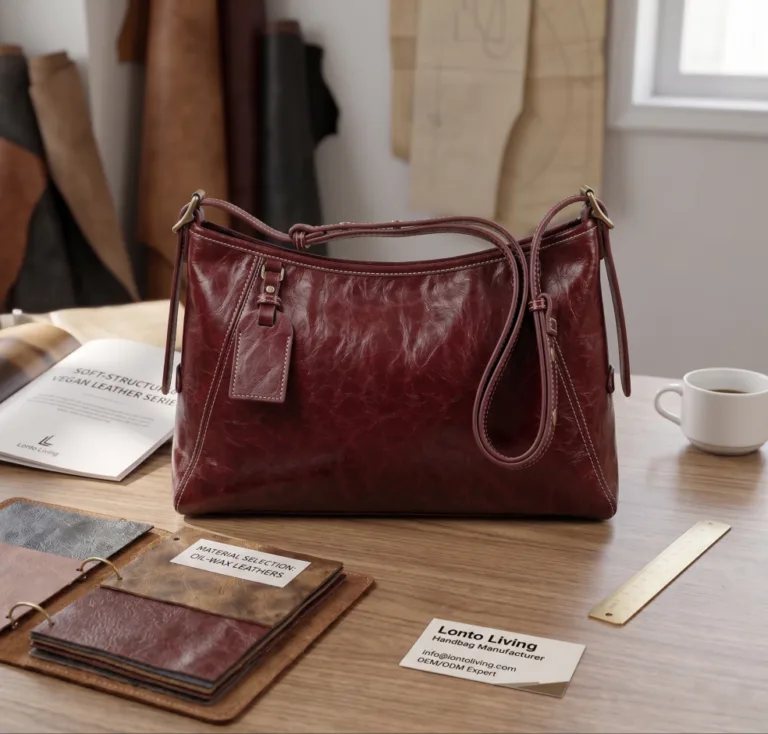
Step 3: Choose Materials
Material selection affects:
- Appearance
- Cost
- Durability
- Brand positioning
Common handbag materials include:
PU Leather Handbags
Advantages:
- Flexible pricing
- Wide color choices
- Suitable for fashion collections
Genuine Leather Handbags
Advantages:
- Premium appearance
- Higher perceived value
- Suitable for higher-end brands
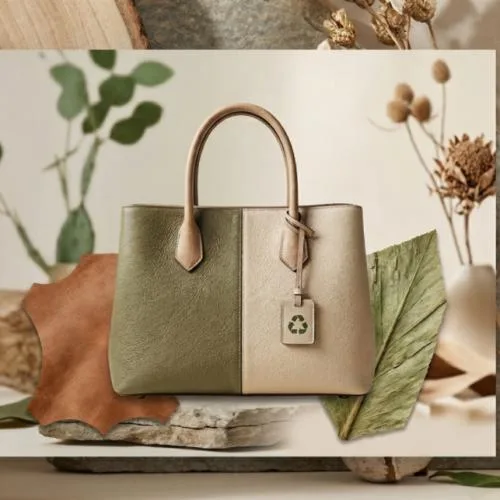
Vegan Leather Handbags
Advantages:
- Growing interest from sustainability-focused customers
- Alternative material positioning
Canvas and Fabric Handbags
Advantages:
- Casual lifestyle positioning
- Lightweight designs
- Flexible applications
What Can Be Customized in Private Label Handbags?
A professional supplier should support more than just logo printing.
Branding Customization
Options include:
- Embossed logos
- Metal logo plates
- Woven labels
- Hang tags
- Custom packaging
Product Customization
Brands can customize:
- Size
- Shape
- Compartments
- Strap design
- Closure system
- Hardware style
- Pocket structure
Material Customization
Possible options:
- Leather texture
- Fabric selection
- Color matching
- Surface finishing
- Lining materials
Private Label Handbag Manufacturing Process
A reliable manufacturer usually follows a structured development process.
1. Product Discussion
The supplier reviews:
- Design requirements
- Target market
- Material preferences
- Expected quantity
2. Sample Development
A prototype is created to confirm:
- Product appearance
- Construction details
- Materials
- Hardware
- Functionality
3. Sample Approval
Before production, brands review:
- Final design
- Quality requirements
- Packaging details
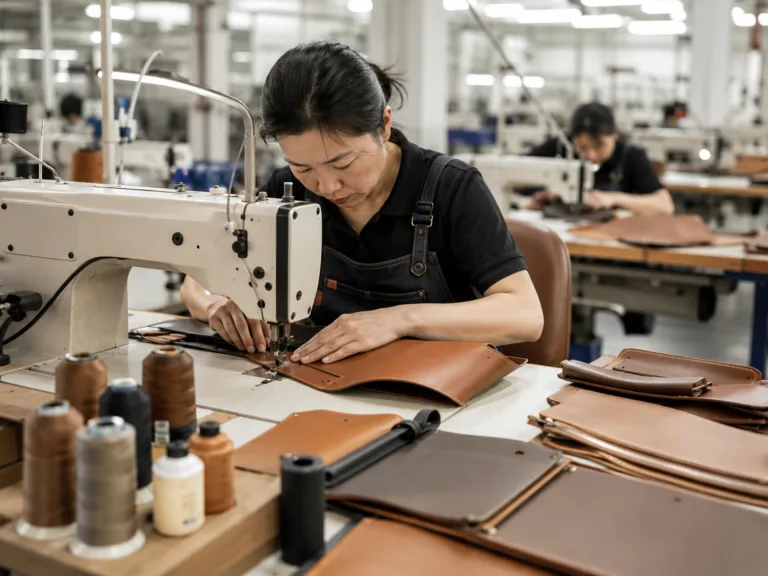
4. Bulk Production
Manufacturing usually includes:
- Material preparation
- Cutting
- Sewing
- Hardware installation
- Quality inspection
- Packaging
How to Choose the Right Private Label Handbag Manufacturer
Choosing the right supplier directly affects product quality and brand reputation.
Important factors include:
Product Development Capability
A strong supplier should understand:
- Design requirements
- Materials
- Production feasibility
- Market expectations
Quality Control System
A professional manufacturer should check:
- Material quality
- Stitching
- Hardware
- Product appearance
- Packaging
Communication Ability
Handbag development involves many details.
Good communication helps prevent:
- Design misunderstandings
- Production delays
- Quality issues
Customization Experience
Ask suppliers about:
- Previous customization projects
- Material options
- Packaging solutions
- Sample development process
Common Mistakes When Developing Private Label Handbags
Choosing Only Based on Price
The lowest price supplier may create problems with:
- Quality consistency
- Communication
- Delivery reliability
Starting With Too Many Designs
New brands often benefit from testing a focused collection first.
A smaller collection helps:
- Control inventory risk
- Understand customer response
- Improve future designs
Ignoring Sampling
Samples help confirm:
- Product appearance
- Manufacturing feasibility
- Material performance
Skipping sampling can create expensive problems during bulk production.
Why Work With Lonto Living for Private Label Handbags?
Lonto Living provides handbag development and manufacturing support for:
- Fashion brands
- Retailers
- Wholesalers
- Online sellers
Our capabilities include:
- Private label handbags
- OEM handbag manufacturing
- ODM product development
- Material sourcing
- Custom branding
- Product sampling
- Quality control
- Packaging solutions
We help businesses transform handbag ideas into professional collections ready for their target markets.
Frequently Asked Questions
What is the MOQ for private label handbags?
MOQ depends on:
- Design complexity
- Material selection
- Customization requirements
- Production method
The quantity should be discussed based on the product development plan.
Can I customize handbags with my own brand logo?
Yes. Private label handbag programs usually support:
- Logo customization
- Labels
- Packaging
- Brand details
Can small businesses start with private label handbags?
Yes. Private label manufacturing allows smaller brands to test products without building their own factory.
How long does private label handbag production take?
Production time depends on:
- Sampling requirements
- Materials
- Quantity
- Customization level
Start Your Private Label Handbag Project
Building a successful handbag brand requires more than finding products. It requires a reliable manufacturing partner who understands design, materials, production, and quality standards.
If you are looking for a private label handbag manufacturer to develop your next collection, Lonto Living can support your project from product concept to finished production.
Contact us to discuss your handbag development project.