Welcome to Lonto Living


Sourcing Handbags in 2026: Market Trends, Vegan Leather, and Manufacturing Realities
For brand founders and sourcing managers, finding a reliable handbag manufacturer is about more than just matching a target price. It is about execution. After 20 years in the women’s handbag sector, we have seen firsthand what works in the European and American markets.
Right now, the focus for B2B buyers is narrowing down to three practical areas: clean structural designs, the actual performance of sustainable materials, and factory transparency. Here is a realistic look at what is shaping handbag sourcing for the upcoming year.
1. The Shift Toward Structured, Minimalist Shapes
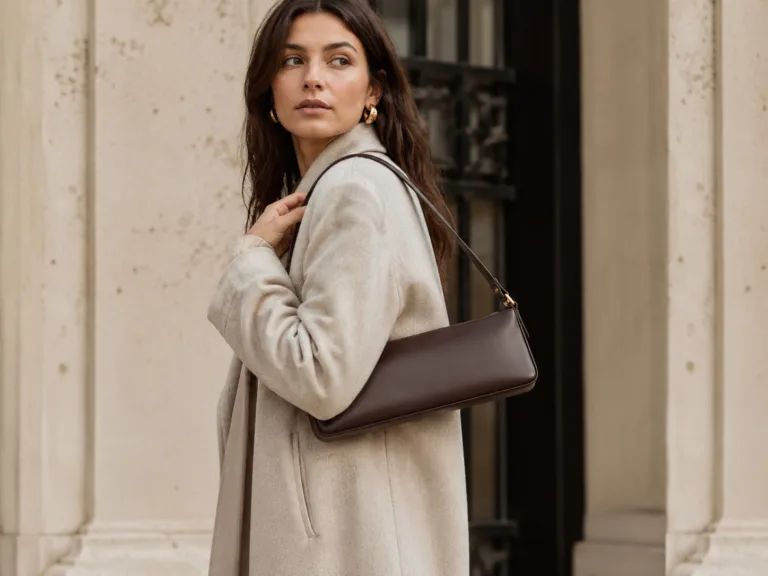
The market has largely moved away from heavy logos and excessive hardware. Today’s buyers are looking for an understated, “Quiet Luxury” aesthetic.
But here is the reality from a manufacturing perspective: minimalist designs are harder to make. Without heavy prints or extra hardware to hide behind, the stitching and structural integrity have to be exact. We are seeing strong demand and reorder rates for specific architectural shapes:
- East-West Shoulder Bags: A sleek profile that requires highly precise pattern-making to ensure it sits comfortably under the arm without warping.
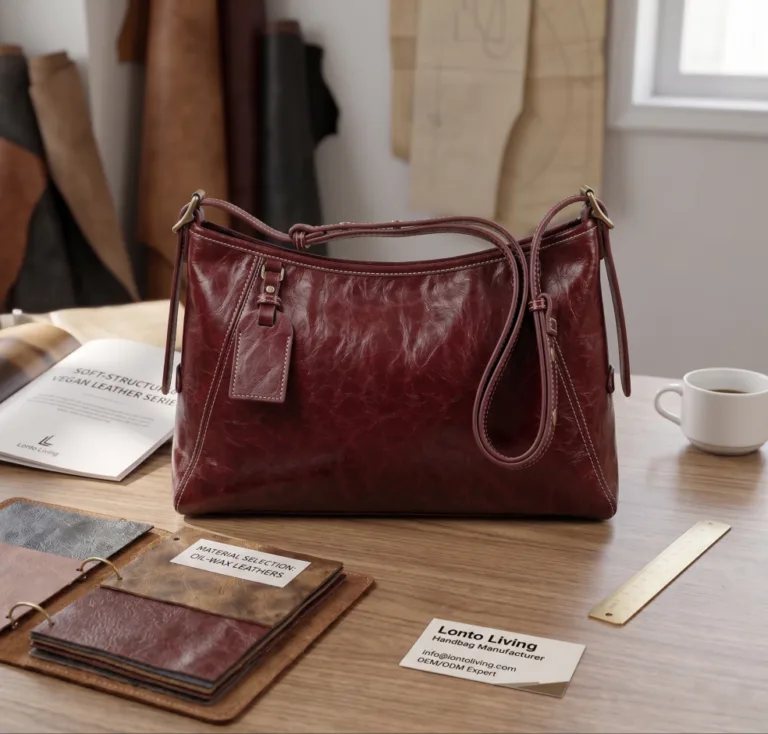
- Structured Crossbodies (e.g., our signature “U-shaped” bags): These offer high everyday functionality but demand strict internal reinforcement to hold their distinct shape over time, whether the bag is empty or full.
2. The Reality of Plant-Based and Vegan Leathers
Sourcing sustainable materials is no longer just about ticking an eco-friendly box; the material has to perform on the factory floor and in the customer’s hands.
Plant-based and premium vegan leathers have improved drastically in their tactile fidelity, closely mimicking natural grain. However, when sourcing these materials, we advise our B2B clients to look beyond the surface and test for practical manufacturing and compliance factors:
- Compliance & Chemical Standards: It is critical that all alternative leathers and hardware meet international safety regulations, such as REACH in Europe and California Proposition 65 in the US. This ensures no harmful chemicals are used in the tanning or dyeing processes.
- Physical Testing: How does the material handle repeated abrasion? Will the dye transfer onto light clothing? Sourcing managers must request materials that have passed rigorous colorfastness and tensile strength evaluations.
- Production Yield: Sustainable materials can sometimes have different stretch tolerances during the cutting and sewing process compared to traditional PU or genuine leather, which can affect overall production efficiency and costs.
3. Production Details That Actually Matter
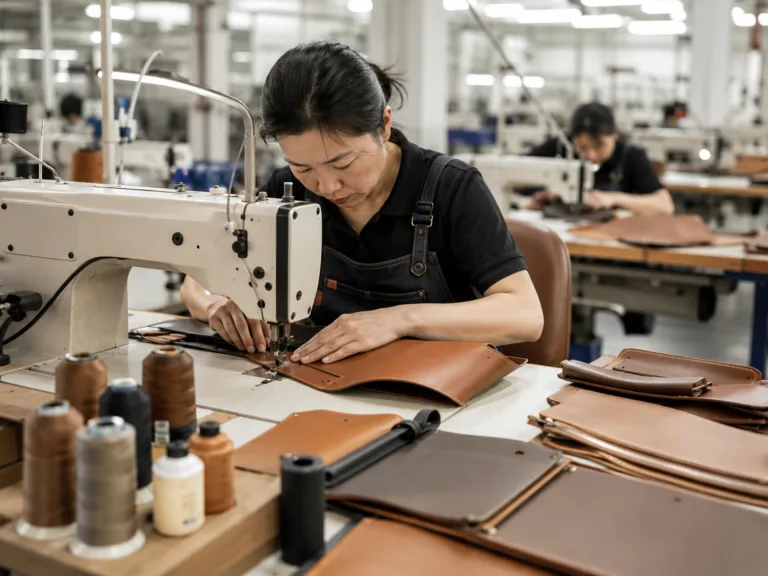
We do not believe in using exaggerated marketing claims or words like “absolute perfection” when describing production. Manufacturing is a hands-on, daily process, and quality comes down to controlling the micro-details on the assembly line.
When auditing a supplier or reviewing a sample, the focus should be on the less glamorous details:
- Edge Paint Application: Poorly applied edge paint will crack in cold climates. It requires multiple thin layers, proper sanding, and exact drying times between coats. We run temperature cycle tests (ranging from -20°C to 60°C) to ensure the edge finish remains flexible and intact.
- Hardware Processing: Custom anti-oxidation treatments are necessary, especially if the bags will be shipping by sea or sitting in warehouses for extended periods. Quality hardware should undergo strict salt spray testing (typically 48 to 72 hours) to verify its resistance to corrosion.
- Tension and Stitching: Thread tension must be calibrated daily by the machinists, depending on the specific thickness of the vegan leather being used that day.
4. Frequently Asked Questions (FAQ) on Sourcing
To further assist sourcing managers in their planning, here are answers to the most common questions we receive regarding our manufacturing capabilities:
What is the typical production lead time for structured vegan leather bags? Depending on the complexity of the internal reinforcements and the specific plant-based materials used, standard production runs typically take 35 to 45 days after the final sample is approved.
Can hardware and edge paint colors be customized for new collections? Yes. We regularly custom-match edge paint to specific Pantone colors and provide customized anti-oxidation finishes for hardware to align with a brand’s exact design specifications.
Do you assist with material sourcing for specific sustainable initiatives? Absolutely. We actively work with verified suppliers of plant-based and recycled leathers. We provide our clients with material swatches and corresponding compliance certifications to support their brand’s sustainability claims.
Let’s Discuss Your Next Collection
At Lonto Living, we focus on straightforward communication and consistent manufacturing for our international partners. We know that building a brand requires reliable supply chain support, not just sales pitches.
If you are developing your 2026 collections and need actual cost breakdowns, material swatches, or technical specifications for our latest East-West and structured crossbody designs, reach out to our team at info@lontoliving.com.